
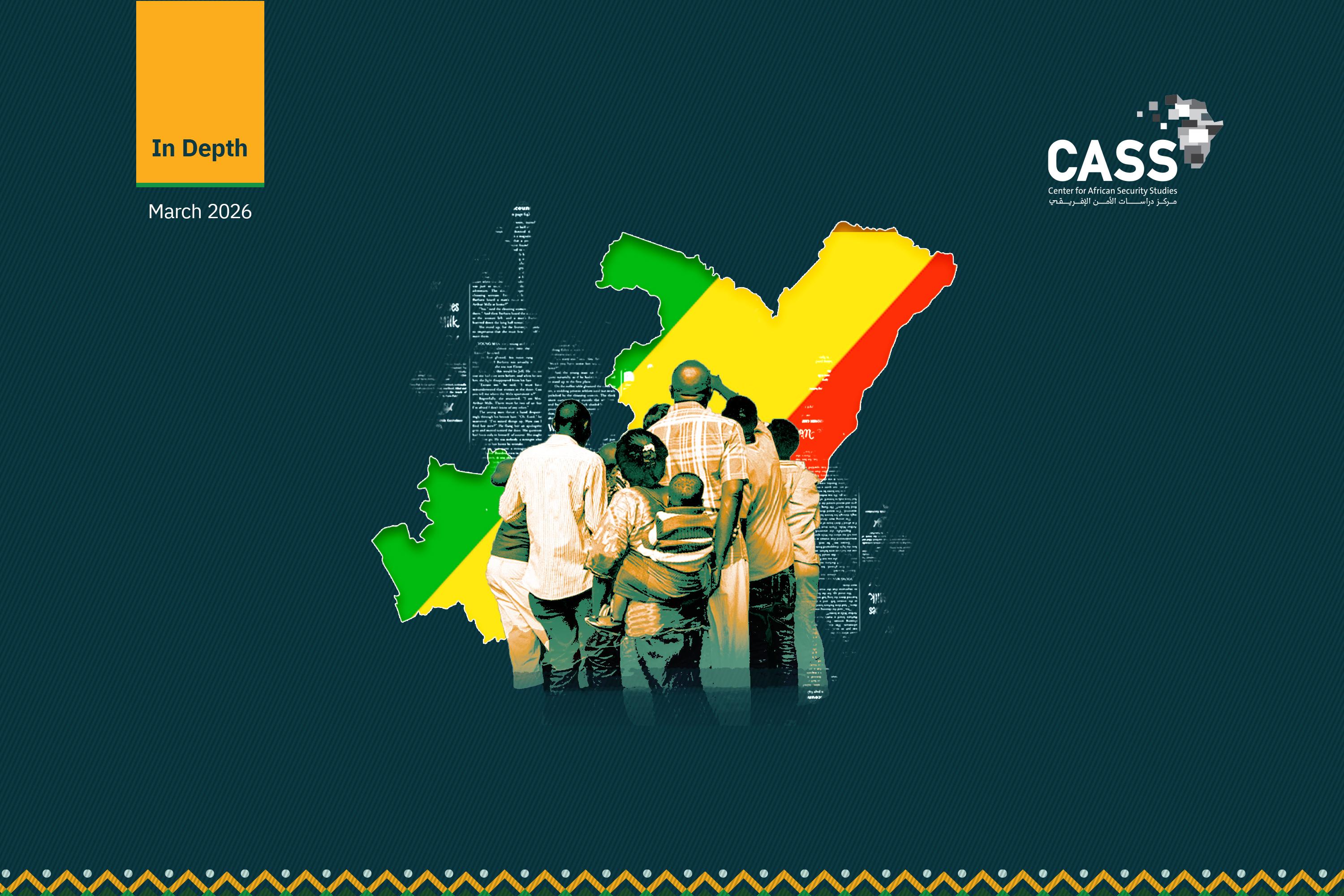
On March 15, 2026, the Republic of the Congo held presidential elections within a political context characterized by the continued dominance of the executive branch and weak competitiveness. The electoral process resulted in the re-installation of President Denis Sassou Nguesso, reflecting the nature of the political system rather than a dynamic of actual electoral competition.
The elections were held as scheduled with the symbolic participation of several candidates, though the balance of power was clearly tilted in favor of the incumbent president. Field operations were characterized by relative calm without widespread disturbances, reflecting the state's capacity to control the public sphere during political milestones. The importance of these elections lies not in their results, but in their implications: they represent the continuation of an authoritarian stability model, the consolidation of the ruling elite's control over the political process, and the absence of a genuine transfer of power through the ballot box.
Despite the multiplicity of candidates, the opposition failed to form a united front or present a candidate capable of serious competition. Persistent divisions among political forces weakened their mobilization capacity, compounded by limited resources and a lack of reach compared to the ruling party. Consequently, the opposition played a role that was more about providing a formal pluralistic veneer to the process rather than exerting any real influence on the outcome.
Implications of the Results
The re-election of Denis Sassou Nguesso highlights several key points:
Personalist Rule: The consolidation of a personalist governance style centered on patronage networks within the state.
Security Dominance: Continued reliance on security and administrative apparatuses to regulate the political landscape.
Leadership Deficit: The political community's diminished capacity to produce alternative leadership.
The absence of widespread protests following the announcement of results suggests either a decline in the opposition's ability to mobilize or the government's success in containing potential reactions.
Post-Election Outlook
The political system is likely to persist without fundamental changes, maintaining current elite balances and containing limited tensions. However, the accumulation of internal economic and political pressures could lead to outbreaks of unrest, particularly if the state's ability to manage resources or elite equilibrium falters.
Conclusion
The March 15 elections represent a reproduction of the existing regime rather than a moment of political transformation. The most sensitive issue remains political succession; President Denis Sassou Nguesso, who has ruled for decades, remains the axis of the system. This raises fundamental questions about the post-Sassou era, especially given the lack of a clear mechanism for the transfer of power within the regime. Ultimately, the recent electoral process has deferred the succession crisis rather than resolving it, making it the primary strategic challenge for the future of the Republic of the Congo.